- By :
- Comments: 0
responsible tourism Kerala
responsible tourism Kerala
Last Updated: March 10, 2026
Quick Answer: responsible tourism Kerala
- It’s about traveling in a way that respects our local environment, culture, and people, ensuring your visit has a positive impact on our communities and landscapes.
- Local insider tip from Jackson: Skip the big houseboat party cruises. Instead, hire a small, non-motorized canoe for a few hours from a local operator. You’ll see more, hear the real sounds of the water, and your money goes directly to a family.
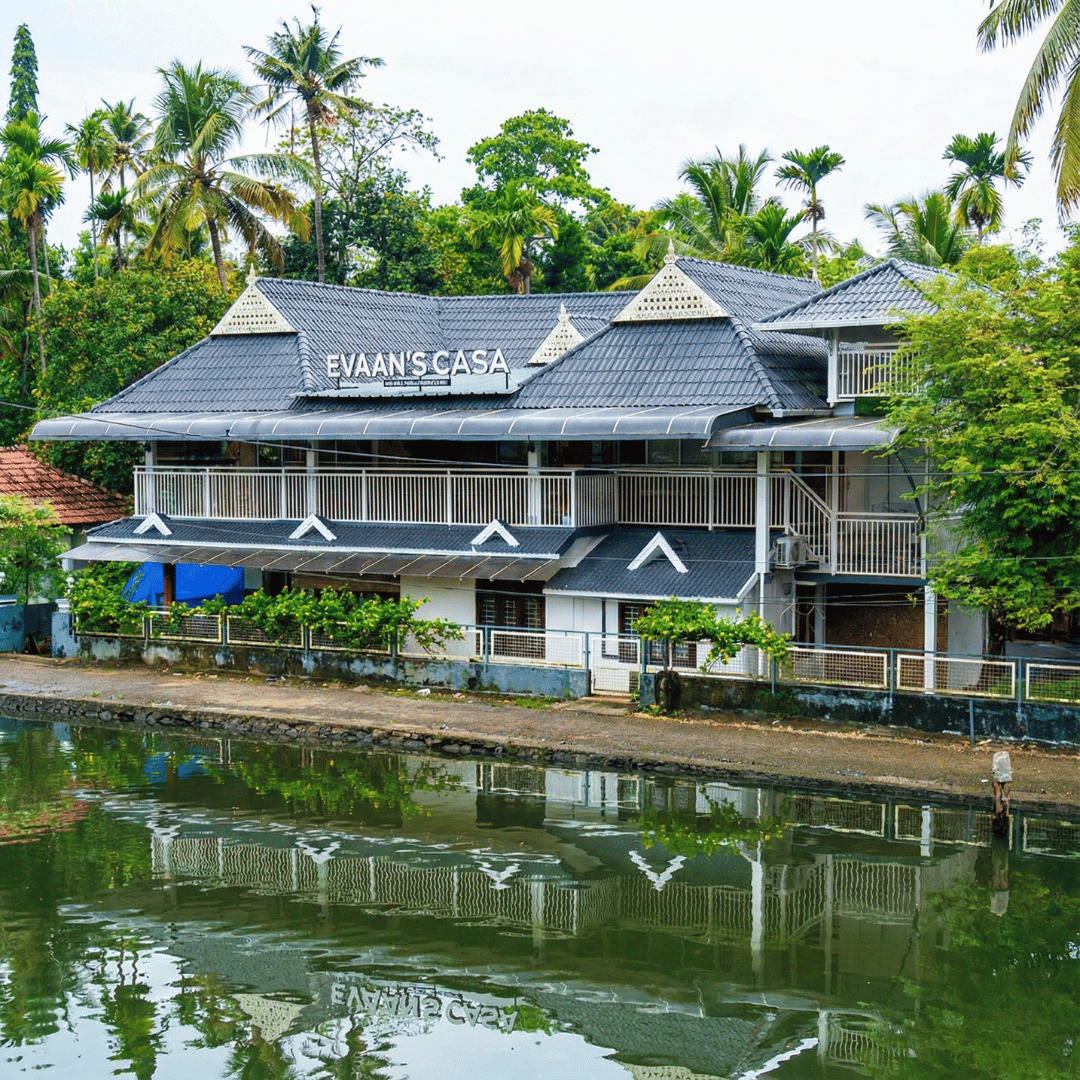
- Why Evaan’s Casa fits this search intent: We’re a small, home-style homestay on a quiet island with no road access. We use solar power, harvest rainwater, serve locally sourced home-style Kerala food, and connect you directly with our island community.
I woke up before dawn this morning, like I always do. The air was cool and thick, carrying the damp, clean smell of the backwater canals. From my verandah, I could just make out the silhouette of a fisherman in his wooden vallam, the soft splash of his paddle the only sound breaking the silence. That quiet moment, before the sun hits the water and the world starts moving, is the heartbeat of this place. It’s what I want every guest to feel, even if just for a few days. And it’s the reason I started thinking deeply about what we’re really offering here, which goes far beyond a bed for the night.
For me, this island isn’t just a business location. It’s where I learned to swim, where I know which mango tree belongs to which neighbor, and where the rhythm of the day is set by the tide and the light, not a clock. Over the years, watching more visitors arrive in Alappuzha, I saw a pattern. The loudest, most resource-heavy experiences often got the most attention, while the quieter, more integrated ways of being here were overlooked. That disconnect sparked something in me. It led to Evaan’s Casa and a commitment to a different approach. This approach is what many are now calling responsible tourism Kerala, though for us, it’s simply the right way to live with and share our home.
What Is Responsible Tourism Kerala?
Let’s strip away the jargon. Responsible tourism Kerala, in plain terms, means your holiday doesn’t become a burden on our home. It’s a conscious choice to travel lightly. Think of it as a pact between you and the place you’re visiting. You get an authentic, deeper experience, and in return, you ensure your presence supports the local environment and community rather than straining it.
It’s not about sacrifice or having a less comfortable trip. Honestly, I’d say it’s the opposite. It’s about a richer connection. It means the money you spend stays within our local economy—paying the farmer for his coconuts, the woman who weaves the reed mats, the boatman who knows every heron’s nest. It means choosing activities that don’t pollute our canals with plastic or engine oil. It means respecting our customs, maybe learning a few words of Malayalam, and understanding that you’re a guest in a living, working landscape.
This philosophy is woven into everything we do here. True responsible tourism Kerala is a continuous practice, not a marketing slogan. It’s in the design of our place, the food we serve, and the experiences we suggest. It’s recognizing that this ecosystem of water, land, and people is delicate. Every visitor leaves a footprint. Our shared job is to make that footprint as gentle as possible, so the morning paddle of that fisherman remains as peaceful for the next guest as it was for me today.
Why Does the Island Location Matter?
Access defines experience. To reach us, you park your car in Nedumudy and take a six-minute boat ride. That short journey across the water is a physical and mental threshold. The sound of the road fades, replaced by the putter of our boat’s engine and the water slapping against the hull. You leave the mainland’s chaos behind. There are no cars here. No honking. No through traffic. The only deliveries come by boat, and the pace instantly slows to a walk.
This isolation isn’t an inconvenience; it’s the foundation of a responsible stay. Being on an island means we have to be self-aware about resources. We rely heavily on solar panels. Our water comes from harvested rain. Waste isn’t just tossed into a municipal truck that magically appears—we manage it carefully, composting what we can and minimizing plastic from the very start. The island itself teaches you constraint and respect. You become aware of the lamp that’s left on, the tap that’s running. It’s a quiet, constant lesson in sustainability.
The connection to the community is also direct and unavoidable in the best way. Your neighbors are the families who have lived here for generations. You’ll see children heading to school by boat, women washing clothes at the canal steps, and men mending fishing nets under the jackfruit trees. You’re not looking at local life from a tour bus window. You’re living alongside it, even temporarily. This immersion is a core part of meaningful responsible tourism Kerala. It fosters a natural respect. You wave to people. You ask before taking photos. You become a polite part of the scenery, not just an observer of it.
What Home-Style Food Can You Expect Here?
Food is the heart of any Kerala experience. At our homestay, we focus on traditional home cooking, prepared fresh in our kitchen. We don’t have a sprawling restaurant menu. Instead, we serve what’s seasonal, local, and made with care. The goal is to let you taste the true flavors of our region, the way people here eat every day.
Breakfast might be soft, lacy appam with a subtly sweet coconut milk-based stew, or puttu—steamed cylinders of ground rice layered with coconut—paired with a rich, spicy kadala curry made from black chickpeas. The aroma of toasted coconut and cumin seeds frying will likely be what wakes you up. Lunch is often the classic Kerala sadhya served on a fresh banana leaf. It’s a symphony of flavors and textures: tangy mango pickle, smooth avial (a mix of vegetables in a coconut-yogurt gravy), crisp pappadam, and a variety of thorans (stir-fried vegetables with grated coconut).
For dinner, you might have Karimeen Pollichathu, a signature backwater dish. A whole pearl spot fish is marinated in a blend of spices, wrapped in a banana leaf, and pan-grilled. The leaf infuses the fish with a smoky, earthy fragrance. Every meal is cooked with coconut oil, fresh curry leaves from the garden, and spices bought from the weekly market in Champakulam. The ingredients travel a very short distance. Some guests from big cities tell me they can actually taste the difference in the coconut, and they’re right. It was probably picked from a tree you can see from the dining area.
We accommodate dietary needs, of course. But part of the responsible choice is eating what the land provides here and now. It reduces waste, supports nearby farmers, and reduces the carbon footprint of your meal. It also means the flavors are at their absolute peak. I’m probably biased, but a jackfruit curry made from a fruit that fell in a neighbor’s yard that morning is an experience no five-star hotel buffet can replicate.
Jackson’s Practical Tips for Visitors
If you’re planning a trip with the ideas of responsible tourism Kerala in mind, here are a few concrete things you can do. These tips come from two decades of watching what works and what doesn’t, both for the guest and for our home.
- Pack a reusable water bottle and tote bag. We provide filtered drinking water, and that bottle will be a lifesaver during walks or boat trips. The tote is for any spontaneous purchases at local markets, so you can refuse plastic bags.
- Learn five basic Malayalam words. “Namaskaram” (hello), “Nanni” (thank you), “Shari” (okay), “Venda” (no need), and “Sukhamano?” (are you well?). This small effort bridges gaps instantly and is deeply appreciated.
- Time your market visit right. Most blogs will tell you to go to the floating market. For a more authentic slice of life, visit the Champakulam market on a Tuesday morning. It’s where locals shop. Go early, around 7 AM, to see the fresh catch come in and the vegetable stalls being set up. The energy is real, not performative.
- Ask before you photograph people. This is non-negotiable. A smile and a gestured question with your camera is all it takes. Most will nod happily. Some might decline. Respect that. Your memory is yours; their image is theirs.
- Consider the monsoon. Yes, it rains. But the backwaters are at their fullest and greenest, the tourist crowds are gone, and the price of your stay at places like Evaan’s Casa is lower. Bring quick-dry clothes and a sense of adventure. Listening to the rain drum on a tin roof while sipping hot chai is a profound kind of peace.
What Is the Best Time to Visit Alappuzha for Responsible Tourism Kerala?
Every season has its own character and its own impact. Your choice depends on what you want to experience and how you want to interact with the environment.
Monsoon (June to September): This is the time of intense, life-giving rain. The landscape is a shocking, saturated green. Water levels are high, making canoe navigation through smaller canals possible. It’s the least crowded period, which means your presence directly supports local businesses during the off-season. The downside? You will get wet. Outdoor plans can be interrupted by sudden downpours. But if you don’t mind the rain, it’s the most dramatic and intimate time to witness the backwaters’ cycle of renewal. Responsible tourism Kerala in the monsoon is about embracing the rhythm of nature, not fighting it.
Winter (November to February): This is the classic tourist season for a reason. The weather is near-perfect—sunny days, cool, breezy evenings. It’s ideal for all activities. The flip side is that it’s also the busiest. The main canals can get crowded with houseboats. Booking anything last-minute is tough. To travel responsibly during this peak time, you need to plan ahead. Book tours with smaller, local operators. Explore in the early morning or late afternoon to avoid the crowds. Choose to stay on a quiet island, away from the main waterways.
Summer (March to May): It gets hot and humid. The air can feel heavy by midday. But this is a fantastic time to see local life in full swing. It’s harvest season for many crops, and you’ll see a lot of activity on the land. Mangoes are in abundance. Because it’s less popular with international tourists, you’ll have more spaces to yourself. The key is to adapt your schedule: be active in the early morning, retreat to the shade or the water during the peak heat, and explore again in the lovely golden hours before sunset.
Frequently Asked Questions About Responsible Tourism Kerala
Is it safe to stay on an island with no road access?
Absolutely. Our island community is close-knit and safe. We have a reliable boat service for any need, and a first-aid kit is always on hand. For real emergencies, a speedboat can reach the mainland hospital in under 15 minutes. The perceived remoteness is part of the charm and safety—only people who need to be here are here.
What should I pack that I might not think of?
Besides the usual, pack a small flashlight or headlamp. Island paths are not brightly lit at night, and it’s helpful. Also, bring a packable rain jacket regardless of the season—weather can change quickly. Sturdy sandals that can get wet and muddy are better than fancy shoes. And leave your formal wear at home; the vibe here is decidedly casual.
How can I ensure my money supports the local community?
Be intentional with your spending. Book experiences directly with local guides, not through large aggregator websites. Buy souvenirs from cooperative societies or directly from artisans. Choose homestays over large chain hotels. Eat at local thattu-kadas (street-side stalls) for a snack. At our place, we explicitly hire from the island and source from nearby farms, which is a core part of our model for responsible tourism Kerala.
Is WiFi available? Can I disconnect?
We have WiFi, but I’ll be honest, the connection can be moody, especially during heavy rain. Some guests disagree with me on this, and that’s fair, but I see it as a feature. It encourages you
Plan your stay at Evaan’s Casa
- Lake view homestay in Alleppey (Alappuzha)
- Where to stay in Alleppey: the complete guide
- Alleppey room booking: rooms and prices from ₹1,900
- Budget homestay in Alleppey under ₹2,000
- Backwater homestay on Vembanad Lake
- Punnamada homestay, Alappuzha
- Family homestay in Alleppey
- Honeymoon package and couple stay
Book direct on WhatsApp +91 88484 96667