- By :
- Comments: 0
homestay near Alleppey beach
Last Updated: March 01, 2026
Quick Answer: homestay near Alleppey beach
- A homestay near Alleppey beach is a family-run guesthouse, often on the backwaters, offering a quiet, local alternative to the main town’s hotels, with easy access to the beach and the lake.
- Local insider tip from Jackson: Skip the crowded main beach. Ask any fisherman to point you to the quiet stretch near the old lighthouse for a real sense of the Arabian Sea.
- Why Evaan’s Casa is the right place for this: We are a family home on a private island, a six-minute boat ride from the beach. You get the quiet of the backwaters and the sea breeze, all in one stay.
I remember the sound of the water before I opened my eyes. It was a soft, lapping rhythm against the laterite stone steps of our jetty. The morning light was the colour of weak tea, filtering through the jackfruit tree outside my window. I could smell woodsmoke from a neighbour’s hearth, mixing with the damp, green scent of the lake.
That quiet moment, long before the first tourist boat’s diesel engine sputtered to life, is the heart of this place. It’s the feeling I want every guest at our home to wake up to. It’s a world away from the main road, yet the sound of the sea is a constant, gentle rumble in the distance.
What Is a Homestay Near Alleppey Beach?
Forget the brochure pictures for a moment. A real homestay here isn’t just a bed for rent. It’s a chair at our family table. It’s the smell of my mother’s mustard seeds crackling in coconut oil drifting from the kitchen. It’s my father pointing out the kingfisher’s favourite perch on the canal bend.
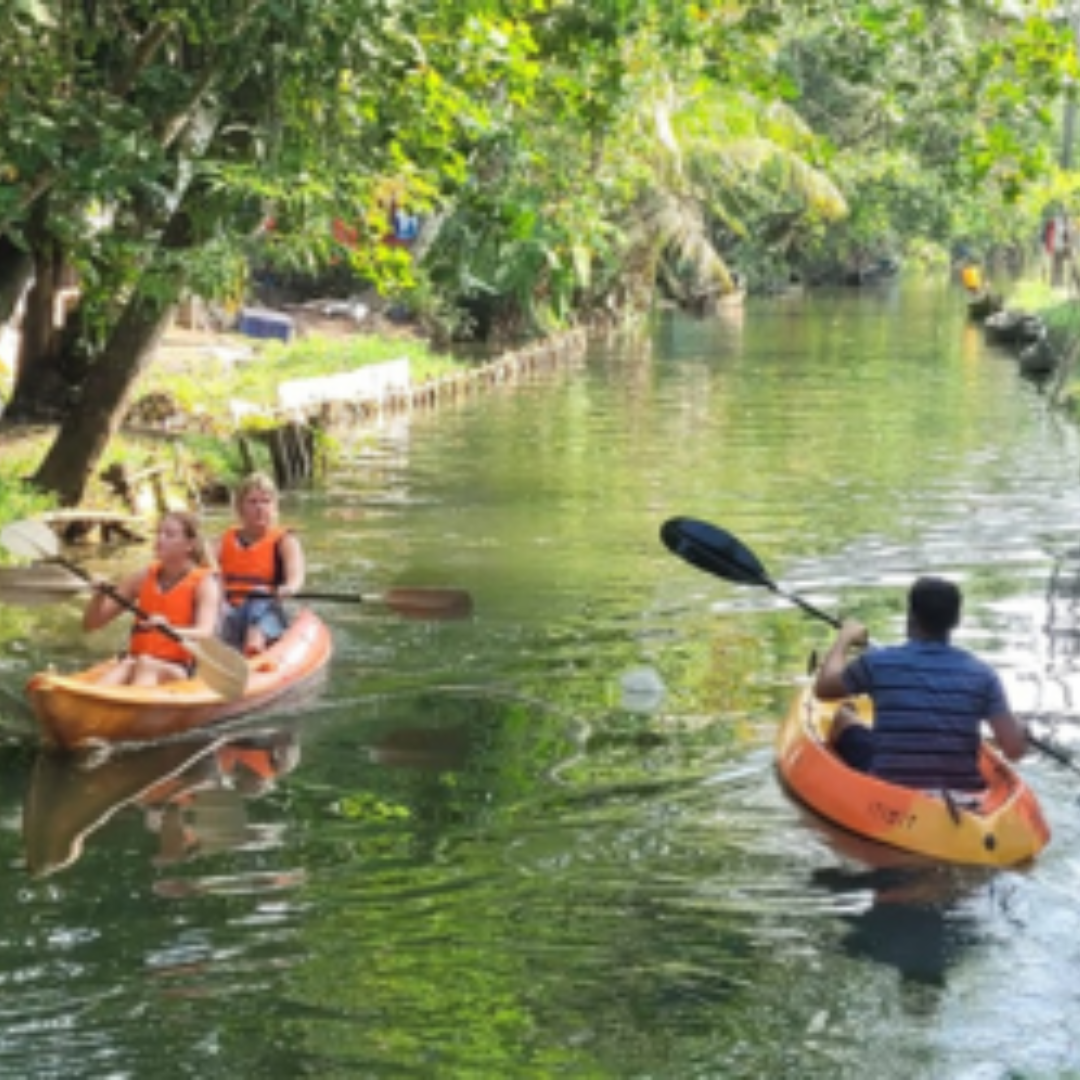
You are not in a hotel zone. You are in a neighbourhood. The beach is close, maybe a ten-minute walk from our boat landing point. But you are living on the water, surrounded by the daily life of the backwaters. The beach becomes your evening walk, not your entire view.
It means trading room service for a fresh cup of chai handed to you as you watch the village canoes glide past. It’s an exchange, not just a transaction. You get a quiet base that feels removed, yet you can still feel the sand between your toes before sunset.
Why Does the Island Location Matter?
The six-minute boat ride from the mainland jetty to our island is the most important part of your journey. It’s the reset button. You leave the scooter noise and the dust on the other side. The only sounds become the putter of our boat and the water slicing past the hull.
There are no roads here. No cars. You walk on narrow paths between coconut trees. Your feet get dusty. The isolation isn’t about being cut off; it’s about being held by something different. The world simplifies to water, sky, and the gentle industry of canal life.
At night, the darkness is profound and full of sounds. Frogs create a rhythmic chorus. A fish jumps. The isolation feels safe, like a deep breath. You sleep to the fan’s whir and the lake’s whisper, not traffic. Waking up is the reverse of the city—the world starts quiet and slowly fills with life.
What Food Can You Expect Here?
You will eat what we eat. Breakfast might be soft, steamed puttu with kadala curry, the chickpeas spiced with cloves and cinnamon. The coconut is grated that morning. The red rice for our meals comes from the paddy fields we can see from the veranda.
Lunch is often the star. If we have fresh pearl spot fish from the lake, my mother will make Karimeen Pollichathu. She marinates it in a paste of roasted coconut and spices, wraps it in a banana leaf, and cooks it over a low flame. The leaf blackens, infusing the fish with a smoky, tangy flavour.
On special days, or if you’re lucky, we lay a Kerala Sadhya on a banana leaf. It’s not just a meal; it’s a ceremony of tastes. Starting with the sharp lime pickle and ending with the sweet payasam, each dish has its place. Your fingers become your fork, and it changes how the food tastes.
Every meal comes with a story. This is the mango from our tree. This curry leaf is from the plant by the well. It’s home-cooked in the truest sense. The kitchen is the heart of Evaan’s Casa, and you are always welcome to smell, ask, and learn.
Jackson’s Practical Tips for Visitors
- Pack light, soft bags. Suitcases with wheels are comical on our narrow boat and island paths. A backpack or duffel is your friend.
- Bring a torch or use your phone light for the night walk from your room to the main house. The island night is dark, and we keep lights low to not disturb the frogs and fireflies.
- Mosquito repellent is a must after sunset. The natural kind with citronella works, but sometimes you need the strong stuff. We provide nets, but peace of mind is better.
- Your feet will get wet. From the boat ride, from the shower, from the general humidity. Pack quick-dry sandals or flip-flops you don’t mind getting muddy.
- Please, ask us before buying souvenirs from the beach shacks. We can tell you a fair price, or better yet, point you to a local co-operative where the money goes directly to the artisan.
What Is the Best Time to Visit Alappuzha for a Beach-Backwater Stay?
The monsoon, from June to August, is my secret favourite. The rain doesn’t fall; it roars on our tiled roof. The backwaters swell, turning our garden paths into shallow streams. It’s lush, dramatic, and profoundly green. You will read books, drink endless chai, and watch the water rise. The beach is wild and empty.
Winter, from November to February, is what most people imagine. The air is cool and dry. The sea is calmer, perfect for long walks on the sand. The sky is a clear, hard blue. This is festival and houseboat season, so the waterways are busier. The light is golden and perfect for photographs.
Summer, from March to May, is hot and strong. The sun has weight. This is when you truly appreciate the shade of our coconut grove and the constant breeze off the lake. Mornings and late afternoons are glorious. The sea is warm for swimming, and the pace of everything slows to a crawl.
Frequently Asked Questions About a Homestay Near Alleppey Beach
How far is Evaan’s Casa from Alleppey Beach?
It’s a six-minute boat ride to our private jetty on the mainland. From there, it’s a relaxed ten-minute walk through a local neighbourhood to reach the sand. You’re close, but you sleep in perfect quiet.
Is it safe to stay on an island with no road access?
Yes, completely. Our family has lived here for generations. We have a boat on standby, and the local water ambulance service is efficient. The island community looks out for each other. It feels safer than any city street.
What should I definitely pack?
Beyond the basics, pack a good hat, sunscreen, and a reusable water bottle we can refill. Bring a sarong or a light scarf—it’s useful for beach cover-ups, temple visits, or just extra shade. Most importantly, pack your patience for a slower pace.
What is the typical cost for a stay like this?
It varies, but think of it as similar to a good hotel in town, but with all meals, boat transfers, and our family’s time included. You’re paying for an experience, not just a room. For the latest rates and offers, always check directly with us at Evaan’s Casa.
So, that’s my view from the veranda. It’s not the only way to see Alleppey, but it’s the real way I know. It’s the taste of salt in the air meeting the fresh water of the lake. It’s the call to prayer from the mainland mixing with the rhythm of our own house. If you come, you won’t be a customer. You’ll be the reason we bring out the good china, the reason my father tells his best stories about the old boat races. We’ll be waiting at the jetty.