- By :
- Comments: 0
traditional Kerala meals homestay
Last Updated: February 12, 2026
Quick Summary: traditional Kerala meals homestay
- A traditional Kerala meals homestay is a full-day, immersive food experience centered on a fresh, home-cooked ‘sadhya’ served on a banana leaf, not just a single meal.
- Pro tip from Jackson: The best ones are on the smaller islands, where the rhythm of life dictates what’s on your leaf. Ask for ‘kappi’—the local black coffee—after your meal.
- At Evaan’s Casa, you’re not a guest at a hotel; you’re family for the day. You eat what we eat, cooked by my mother and aunties, in a house that has heard the lake’s whispers for generations.
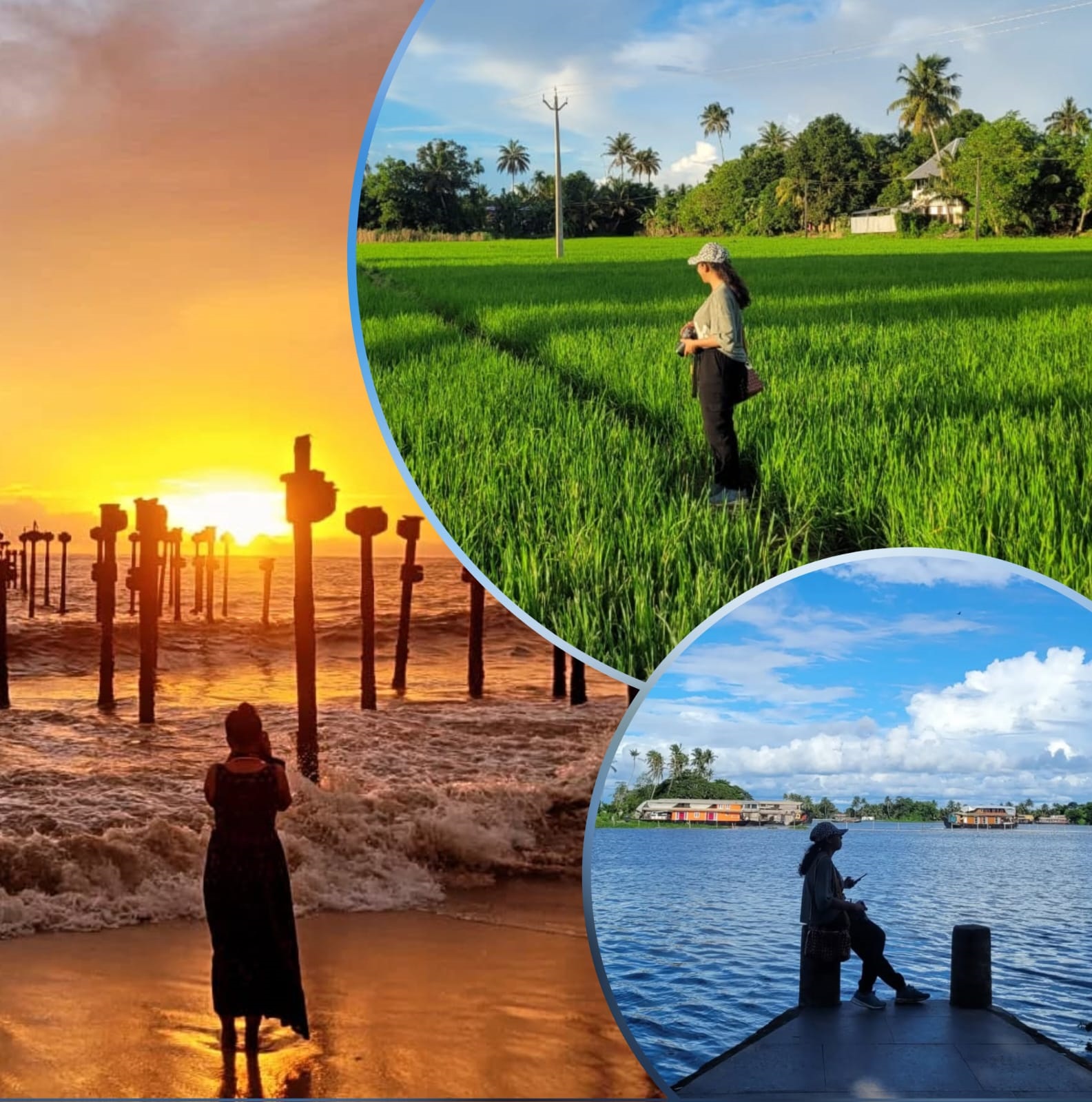
The lake is quietest just before the sun breaks. I know this sound by heart. It’s not silence, but a soft hum—water lapping against the old wooden jetty, a kingfisher’s call from the coconut grove, the distant putter of the first ‘vallam’ heading out to check the nets. This is my alarm clock. It has been for forty years. I grew up on this strip of land in the Alappuzha backwaters, and the water is in my bones. It’s also in the food we eat. And that, I’ve learned, is what people come here to find.
It’s More Than Just a Banana Leaf
When you search for a ‘traditional Kerala meals homestay,’ you might picture a nice lunch. That’s only half of it. What you’re really looking for is a day in the life. It starts with the smell of woodsmike from the outdoor hearth, where the big pots sit. It’s the sound of the coconut scraper, a rhythmic metal song. It’s watching my uncle bring in a clutch of tapioca from the garden, still wet with earth.
The meal itself, the ‘sadhya,’ is the heart. But the heartbeat is everything around it. It’s the patience required. The vegetables are cut by hand. The coconut milk is squeezed fresh, not from a can. The fish, like the pearl spot (Karimeen), was likely swimming in our lake this morning. This isn’t a restaurant kitchen timing orders. This is a home preparing a feast for family. That’s the difference. You’re stepping into a cycle that’s been turning long before you arrived.
Why Our Island Makes the Meal
Evaan’s Casa is a six-minute boat ride from the mainland jetty. That distance matters. It’s not just a scenic trip; it’s a shift in pace. On the mainland, the world is loud and fast. Here on our island, the world moves at the speed of a canoe. There are no big grocery stores. No food trucks. What we eat comes from the water around us, the soil under our feet, and the small boats that bring provisions from the village market.
This isolation forces a beautiful simplicity. It demands freshness. You can’t store things for long. So menus aren’t planned a week ahead—they’re decided at dawn. If the catch is good, we have fish. If the monsoon has given us jackfruit, we make a ‘thor-an.’ Your banana leaf reflects this exact day on this specific island. You can’t get that from a homestay on a busy road. The lake isn’t just a view here; it’s our pantry.
Food From My Family’s Kitchen
My earliest memory is the taste of my mother’s ‘meen curry.’ The sharp tang of kodampuli (fish tamarind), the warmth of black pepper, the creamy bite of coconut. That same taste is in the pot today. When you visit us at Evaan’s Casa, you are sitting at our table. My mother, Leela, oversees the kitchen. My aunties, their saris tucked up, grind masalas on the stone and stir the ‘avial.’ There is laughter and arguing about how much chili to use.
We serve on a banana leaf laid on a wooden plank. First, the salt and the pickle. Then, the rhythmic scooping of each dish into its designated spot. The bright yellow ‘sambar,’ the dark, sweet ‘parippu,’ the crisp ‘pappadam,’ the ‘ka-lan’ with its elephant yam and raw mango. And the star, for me, is always the ‘Karimeen Pollichathu.’ A whole pearl spot, marinated in a paste of spices, wrapped in a banana leaf, and pan-roasted until the leaf blackens. You open it at the table. The steam that hits your face carries the scent of the backwaters—earthy, spicy, and utterly unforgettable. This isn’t a service. It’s a sharing.
Jackson’s Tips for Your Food Journey
Come hungry, but come curious. Ask questions. “What leaf is this?” “How is the coconut milk extracted?” We love to talk about it.
Eat with your hand. There’s a reason for it. The mixing of rice with curry with your fingers connects you to the food’s temperature and texture. It’s part of the experience.
Save room for the payasam. It’s a sweet, milk-based dessert, often with rice or vermicelli. It’s the final, comforting note.
Don’t rush. After the meal, fold your banana leaf inward—a sign of satisfaction. Then, sit back with a small steel cup of ‘kappi,’ our strong black coffee. Let the afternoon settle around you. Watch the dragonflies. This slow digestion is as important as the meal.
If you’re staying over, the rhythm continues. Breakfast might be ‘puttu’ (steamed rice cakes) with kadala curry, and the sound of the lake waking up again.
So, this is my invitation. Not to a transaction, but to a table. To a meal that tells the story of a day, an island, and a family kitchen. The true taste of Kerala isn’t found in a fancy restaurant. It’s found in the smoke from a clay hearth, in the laughter over a grinding stone, and in the quiet contentment of a folded banana leaf. We’ve been saving a place for you. If you want to know what that’s like, truly, I hope you’ll visit us at Evaan’s Casa. The boat is waiting.